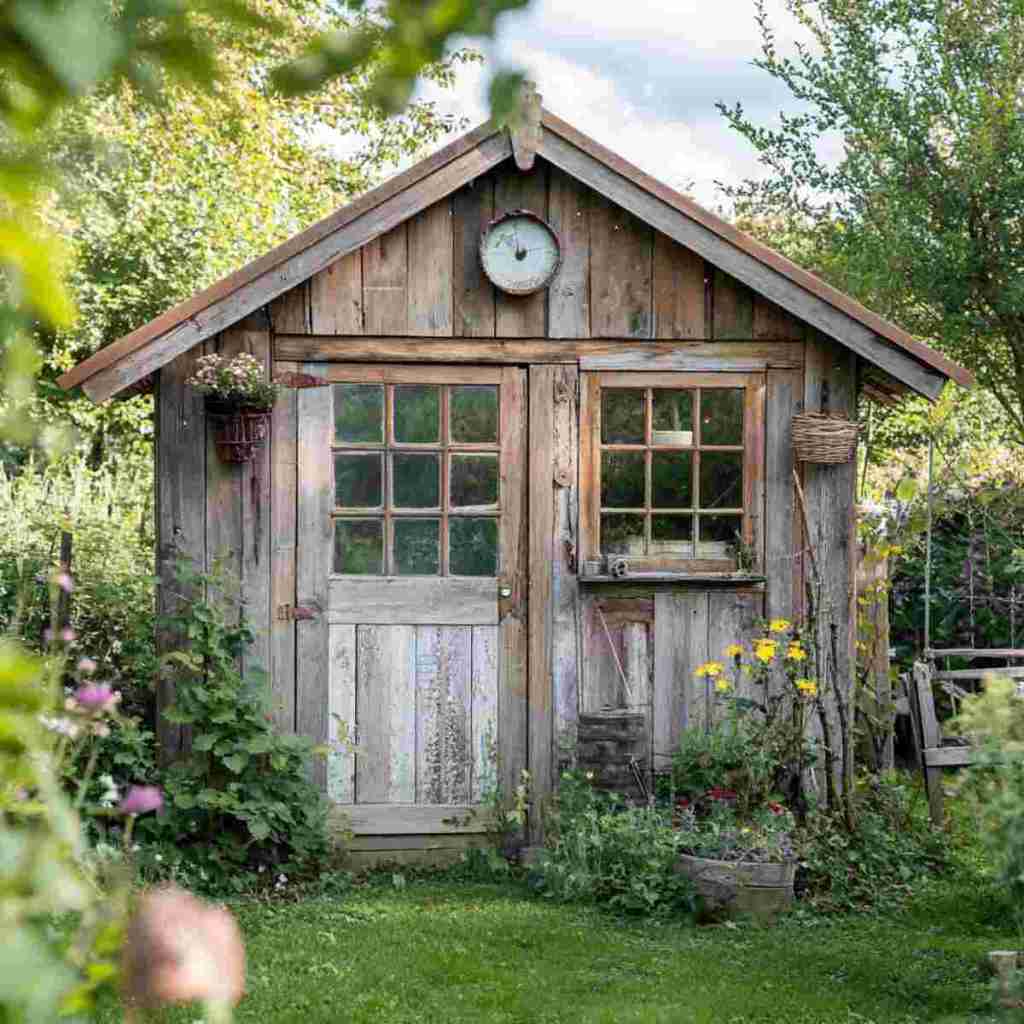
After blocking a scene during Tuesday night’s rehearsal, our director recommended that two actors go off and work on the details separately. There was a momentary delay while he searched for the right term – woodworking… woodshopping… workshopping (closer)… woodsheding (ah ha there it is). This was accompanied by bewildered looks from the most of the cast.
woodshed /woo͝d′shĕd″/ noun
- A shed in which firewood is stored.
- An enclosed, roofed structure, often an outbuilding, used primarily to store firewood.
- A place where punishments or reprimands are administered.
Wait! What the heck is the connection here? Long before most folks ever heard about the 10,000 Hours Rule in Malcom Gladwell’s 2008 book Outliers: The Story of Success, jazz musicians (and students) were using the term woodshedding. In jazz terminology, woodshedding is often shortened to ‘shed or ‘shedding. According to Paul Klemperer, a Texas-based jazz educator, woodshedding is more than just practicing – it is “the place where you work out the techniques that form the foundation of your improvisational ability.”
As the cast was rehearsing Act 3/Scene 4 in which Malvolio, as part of a joke gone a little too far, is tied up and dumped in a dark room to be punished, I was struck by the bizarre (maybe just to me) connection back to one of the formal definitions of woodshed, a place of punishments and reprimands.
For me personally, in addition to writing and recording music for the show, I am trying to spend time woodshedding every day on the EVI (Electronic Valve Instrument, more on this soon) to really get my chops in shape to perform all this cool music live for nine performances in November.
Today’s snippet.





Leave a Reply